HEALTH BLOG
Why Ginger and Turmeric Are Herbs of the Year
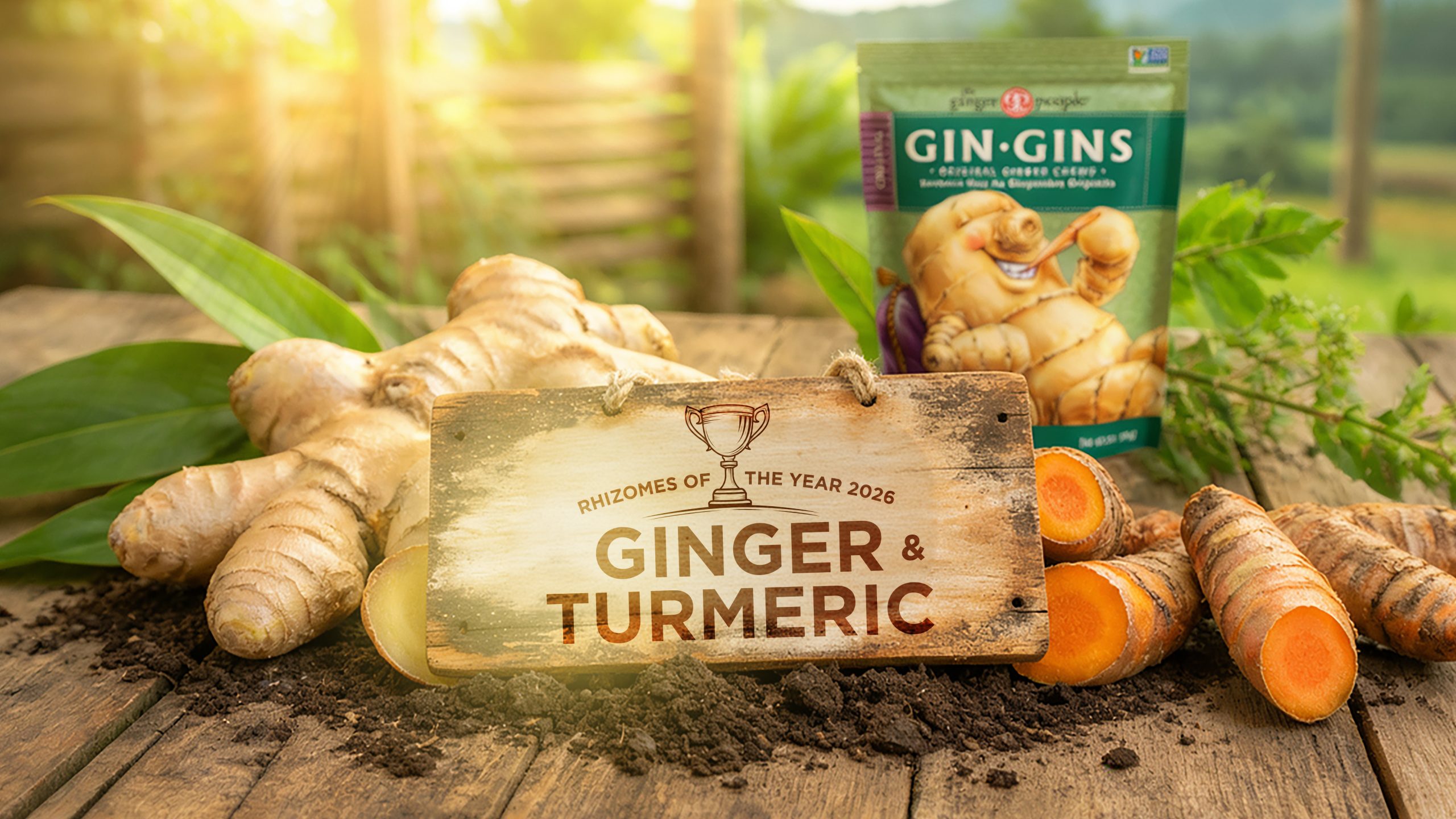
Our two favorite herbs have each received well-deserved recognition.
Both ginger and turmeric are being celebrated for their culinary significance, long history of traditional use and a growing body of modern scientific research.
Ginger: The 2026 Medicinal Herb of the Year
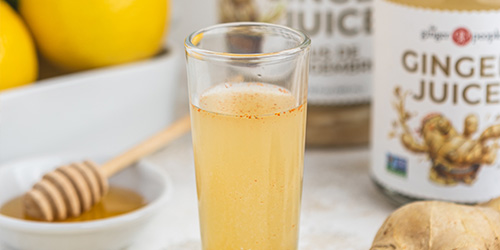
Ginger (Zingiber officinale) has officially been named the 2026 Medicinal Herb of the Year by the Society for Phytotherapy, following a 2025 update from the European Medicines Agency highlighting new evidence-based applications.
Best known as one of the world’s most widely used culinary spices, ginger has also been studied for thousands of years for its wide range of traditional wellness applications.
Today, research continues to explore its potential roles across multiple body systems, including:
• Musculoskeletal system: may support inflammatory conditions such as arthritis and relieve post-workout soreness (1)(2)
• Gastrointestinal system: may help with complaints like nausea, indigestion and low appetite (2)
• Cardiovascular system: may support heart function and healthy cholesterol levels (3)
• Menstrual health: may help soothe menstrual cramps (4)
• Metabolic health: may help reduce lipid accumulation and reduce insulin resistance (5)
Modern research attributes many of ginger’s functional properties to naturally occurring compounds such as gingerols, shogaols and zingerone, which are associated with its well-known digestive and anti-inflammatory activity.
At The Ginger People, this recognition reinforces what we have long understood: ginger is one of nature’s most versatile and trusted botanicals, supporting digestive comfort, motion-related nausea and overall wellness for more than 5,000 years.
Turmeric: The 2026 Herb of the Year
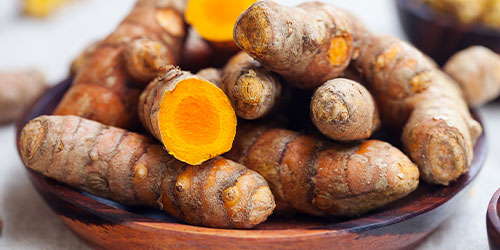
Turmeric was also named the 2026 Herb of the Year by the International Herb Association, reflecting growing global interest in traditional roots with modern relevance.
Known as the “golden spice of life,” turmeric (Curcuma longa) is a member of the ginger family with a long history of use as a culinary spice, natural colorant and traditional botanical. For roughly 6,000 years, cultures around the world have valued turmeric for both flavor and function.
Like ginger, turmeric is widely studied for its role in healthy inflammatory response and oxidative stress balance. It has also been researched for its potential benefits in:
• Liver health: may be able to help protect and treat several liver conditions(6)
• Cognitive health: may offer benefits across different stages and causes of cognitive decline, as well as potential for enhancing cognitive performance (7)
• Metabolic health: may support blood sugar levels, lipid metabolism and reduce oxidative stress (8)
• Skin health: may support various skin conditions thanks to its anti-inflammatory actions and high antioxidant potential. (9)
• Immune health: compounds in turmeric have shown significant actions as immunomodulators in experimental and clinical studies. (10)
While turmeric contains many beneficial plant compounds, much of the focus in modern research is on curcumin — its most widely studied active constituent.
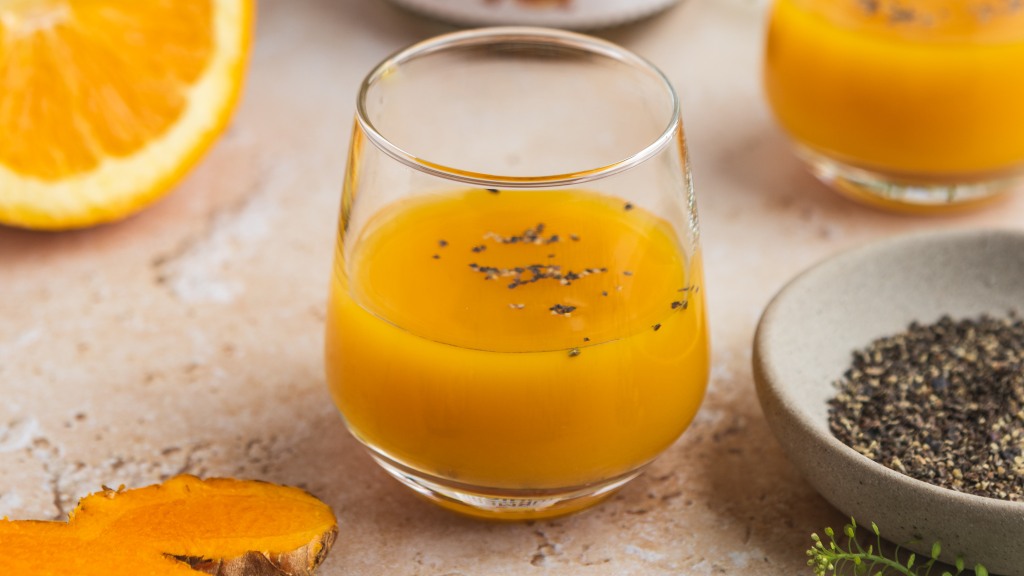
One challenge with curcumin is its naturally low bioavailability. However, certain ingredients, including ginger, may help enhance absorption. Emerging research suggests that gingerol compounds may help protect curcumin from breaking down too quickly in the body, supporting improved utilization.
Two Botanical Allies with a Shared Legacy
For more than 40 years, The Ginger People has been dedicated to advancing the understanding and appreciation of ginger. Ginger and turmeric are at the heart of what we do, and we’re delighted to see both botanicals receive formal recognition for their centuries of culinary and traditional wellness use.
These accolades validate and inspire our mission — to continue sharing the benefits of these remarkable herbs with the world.
References
-
Broeckel, Jacob et al. “Effects of Ginger Supplementation on Markers of Inflammation and Functional Capacity in Individuals with Mild to Moderate Joint Pain.” Nutrients vol. 17,14 2365. 18 Jul. 2025, doi:10.3390/nu1714236
-
Anh NH, Kim SJ, Long NP, et al. Ginger on Human Health: A Comprehensive Systematic Review of 109 Randomized Controlled Trials. Nutrients. 2020;12(1):157. Published 2020 Jan 6. doi:10.3390/nu12010157
-
Wal, Ankita et al. “A Systematic Review of Herbal Interventions for the Management of Cardiovascular Diseases.” Current cardiology reviews vol. 20,5 (2024): e030524229664. doi:10.2174/011573403X286573240422104647
-
Rahnama, Parvin et al. “Effect of Zingiber officinale R. rhizomes (ginger) on pain relief in primary dysmenorrhea: a placebo randomized trial.” BMC complementary and alternative medicine vol. 12 92. 10 Jul. 2012, doi:10.1186/1472-6882-12-92
-
Salaramoli, Sanaz et al. “The effects of ginger and its constituents in the prevention of metabolic syndrome: A review.” Iranian journal of basic medical sciences vol. 25,6 (2022): 664-674. doi:10.22038/IJBMS.2022.59627.13231
-
Farzaei, Mohammad Hosein et al. “Curcumin in Liver Diseases: A Systematic Review of the Cellular Mechanisms of Oxidative Stress and Clinical Perspective.” Nutrients vol. 10,7 855. 1 Jul. 2018, doi:10.3390/nu10070855
- Francis, Aida J et al. “Curcumin and Cognitive Function: A Systematic Review of the Effects of Curcumin on Adults With and Without Neurocognitive Disorders.” Cureus vol. 16,8 e67706. 25 Aug. 2024, doi:10.7759/cureus.67706
-
Kehinde, Samuel Abiodun et al. “Clinical Potential of Curcuma longa Linn. as Nutraceutical/Dietary Supplement for Metabolic Syndrome: Systematic Review and Meta-Analysis of Randomized Controlled Trials.” Foods (Basel, Switzerland) vol. 15,1 60. 24 Dec. 2025, doi:10.3390/foods15010060
- Vollono, Laura et al. “Potential of Curcumin in Skin Disorders.” Nutrients vol. 11,9 2169. 10 Sep. 2019, doi:10.3390/nu11092169
-
Yuandani, Jantan I, Rohani AS and Sumantri IB (2021) Immunomodulatory Effects and Mechanisms of Curcuma Species and Their Bioactive Compounds: A Review. Front. Pharmacol. 12:643119. doi: 10.3389/fphar.2021.643119